
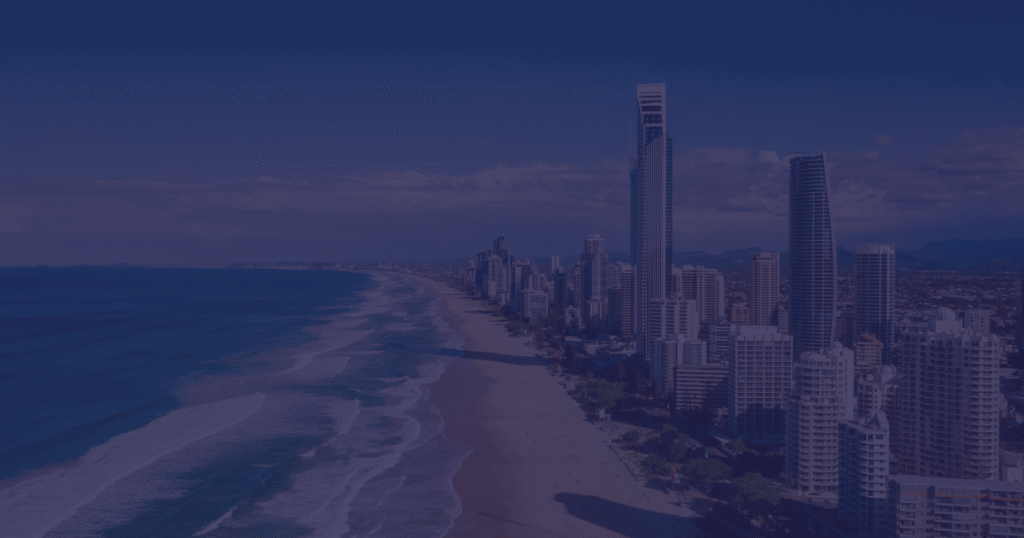
The Gold Coast is quietly engineering one of the most significant sporting transformations in the country, emerging as a leading destination for elite competition, high-performance training, and community sport — and positioning itself as a major force heading into the Brisbane 2032 Olympic and Paralympic Games.
Long known for its beaches and tourism, the city is now leveraging sport as a driver of economic growth, infrastructure development, and community engagement. And the results are becoming increasingly visible.
Much of the momentum can be traced back to the 2018 Commonwealth Games. Independent evaluations of the event show that the Games delivered one of the most successful legacy outcomes of any Australian sporting event in recent decades, with upgraded venues, improved accessibility, and thousands of additional hours of community sport bookings logged in the first year alone. Those facilities — now used daily by athletes, schools, and local clubs that continue to underpin the city’s sporting ecosystem.
But it’s not just infrastructure that’s accelerating the Gold Coast’s rise. The city’s sporting economy is expanding rapidly, with major events, high-performance hubs, and elite athlete programs generating sustained demand for accommodation, hospitality, tourism, and specialised services. National research confirms that events of this scale bring significant economic returns, and the Gold Coast is capitalising on them better than most.
The strategy is paying off. In recent years, the Gold Coast has climbed the rankings of the world’s top sporting cities, recognised for its event delivery capabilities, facilities, and year-round training climate. International teams and athletes regularly base themselves on the Coast, taking advantage of conditions that mirror major competition environments.
This sporting surge is also anchored in the grassroots. Community clubs including long-established institutions in rugby league, surf lifesaving, baseball, athletics and more, continue to benefit from the post-Games legacy. Upgraded fields, refurbished training centres and modernised amenities have made it easier for families and young athletes to access quality sport close to home. Research into the 2018 Games found that these improvements contributed to increased community participation and stronger social cohesion — two outcomes that continue to shape the region today.
What sets the Gold Coast apart, industry experts note, is the integration between elite and community sport. High-performance centres sit alongside thriving local clubs, and major venues are shared between professional athletes and the public. This alignment creates a unique model where pathways are visible, accessible, and actively supported by the city’s infrastructure and culture.
With Brisbane 2032 on the horizon, the Gold Coast’s sports economy is expected to grow even further. The region is poised to host training camps, pre-Games competitions, and community engagement programs, drawing national and international organisations seeking world-class facilities and a proven events environment.
For a city once defined primarily by lifestyle and tourism, the Gold Coast is now making a compelling case as Australia’s emerging sporting capital — one built not only on world-class facilities, but on strategy, community, and the belief that sport can shape a city’s future.